
AI Kitchen Design: How Artificial Intelligence Is Transforming the Modern Kitchen
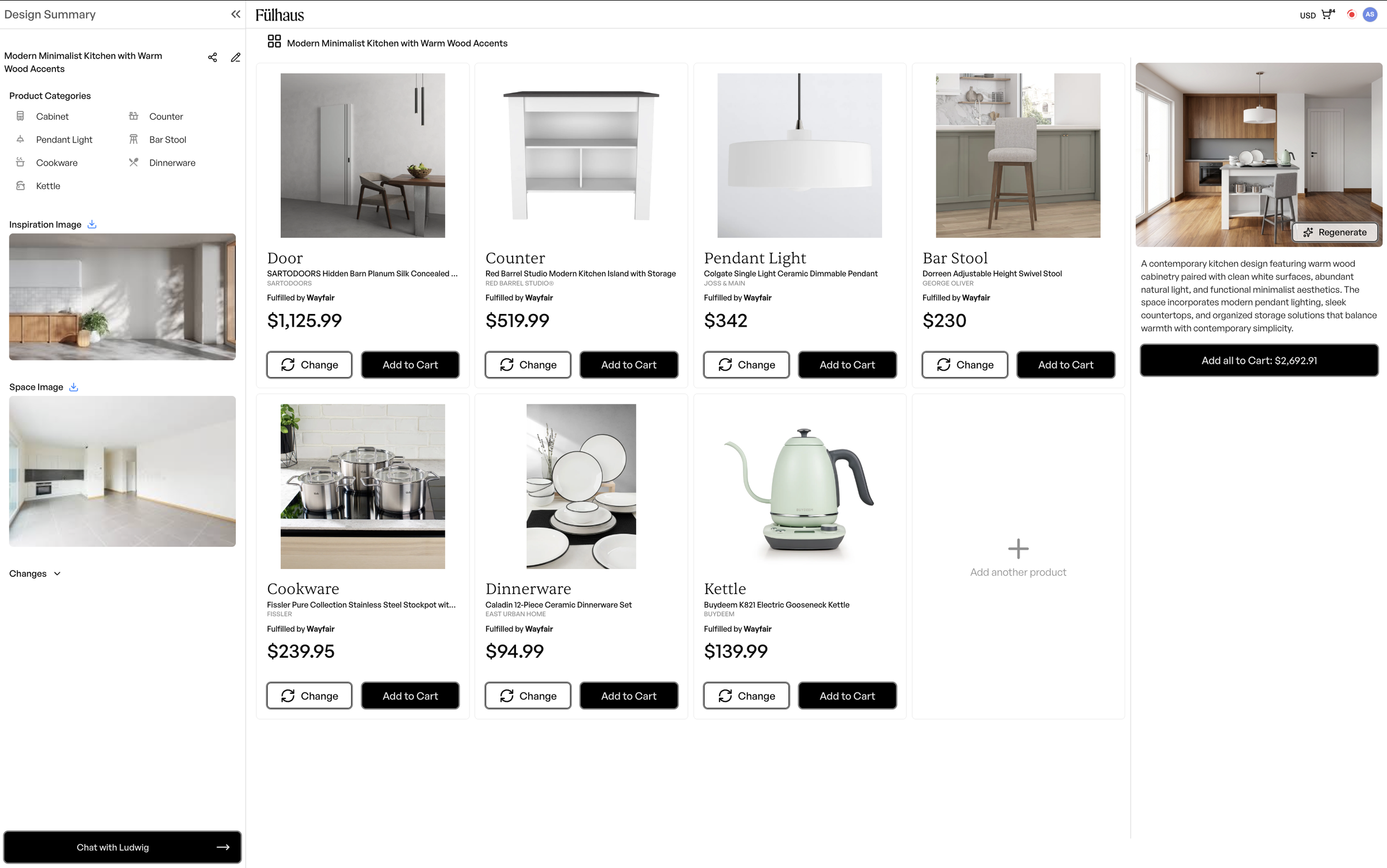
AI kitchen design is redefining how homeowners, designers, and builders plan, visualize, and purchase kitchens. What once required weeks of back-and-forth with designers, manual mood boards, and guesswork can now happen in minutes with artificial intelligence. From inspiration to layout to checkout, AI is turning kitchen design into a faster, more personalized, and more efficient experience.
In this article, we break down what AI kitchen design is, how it works, and why it is quickly becoming the future of kitchen planning.
What Is AI Kitchen Design?
AI kitchen design uses machine learning, computer vision, and recommendation algorithms to generate kitchen layouts, styles, and product selections automatically. Instead of starting with blank plans or static templates, users can upload inspiration images, reference photos, or even empty room photos. The AI analyzes visual cues such as color, materials, proportions, and style, then produces a complete kitchen design tailored to those inputs.
At its core, AI kitchen design bridges the gap between inspiration and execution.
How AI Kitchen Design Works
While platforms differ, most AI kitchen design tools follow the same intelligent workflow:
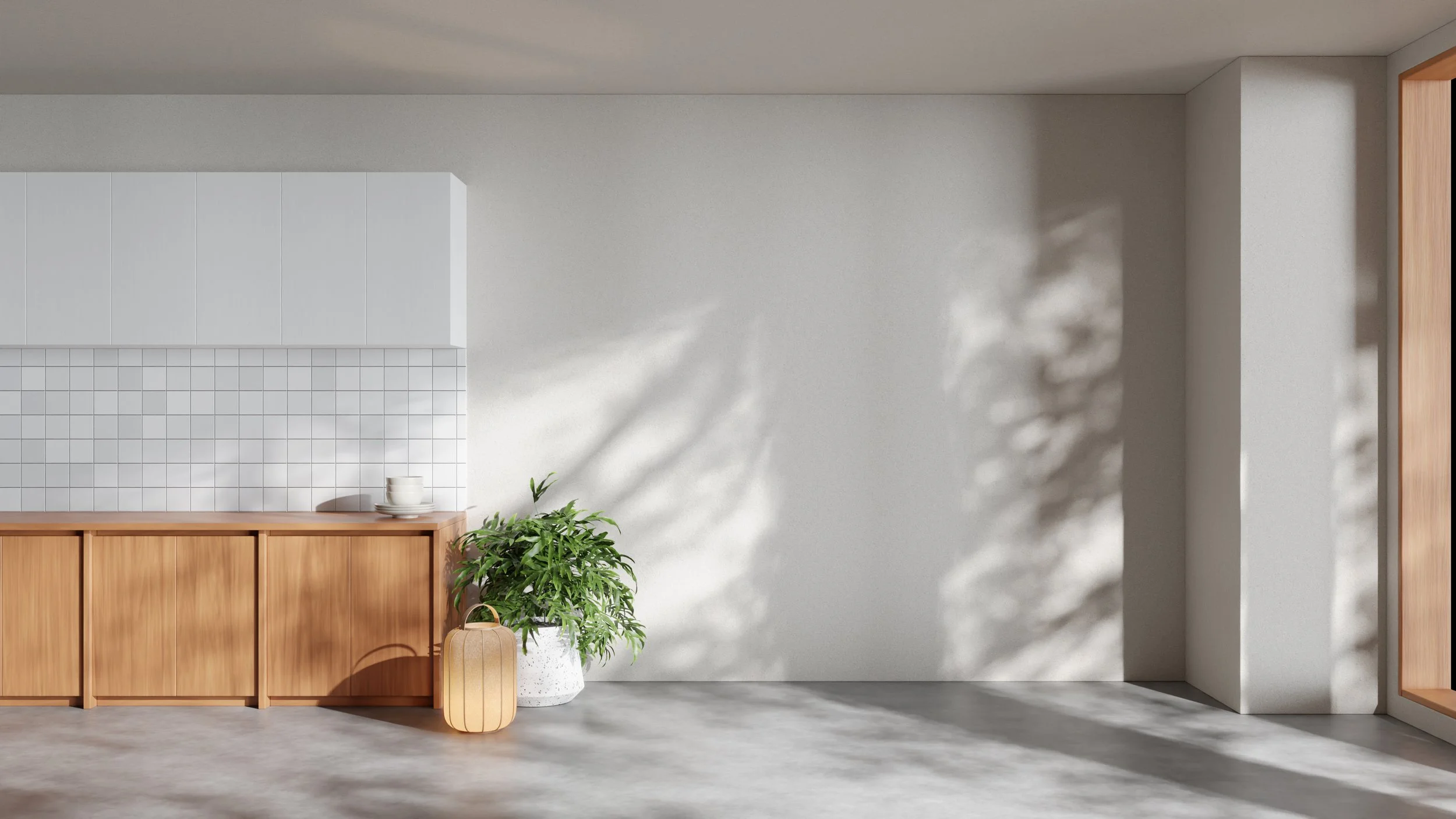
1. Inspiration Analysis
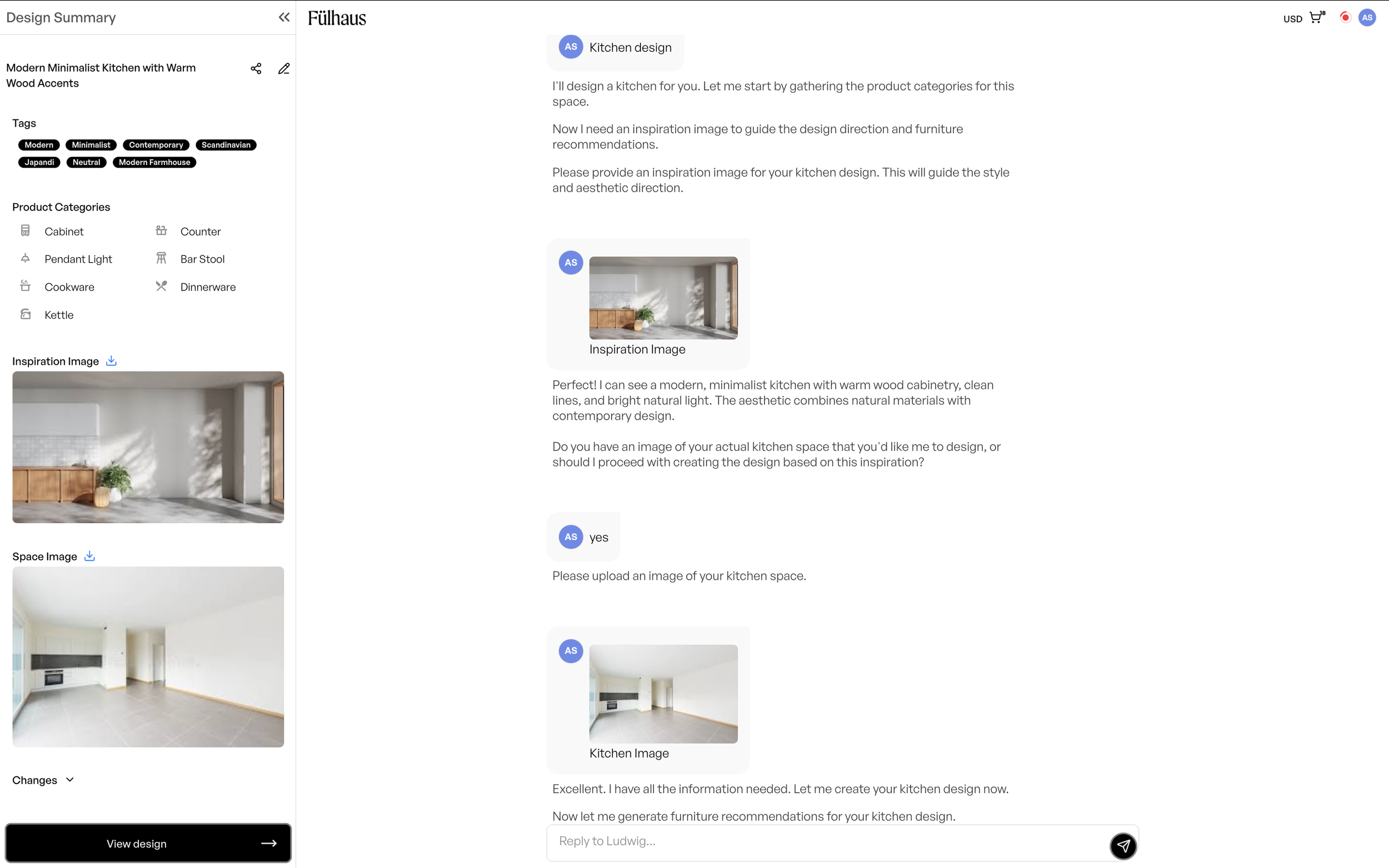
Users upload a Pinterest image, magazine photo, or design reference. The AI identifies dominant colors, materials (wood, stone, metal), lighting styles, and overall aesthetic (modern, minimalist, Scandinavian, transitional).
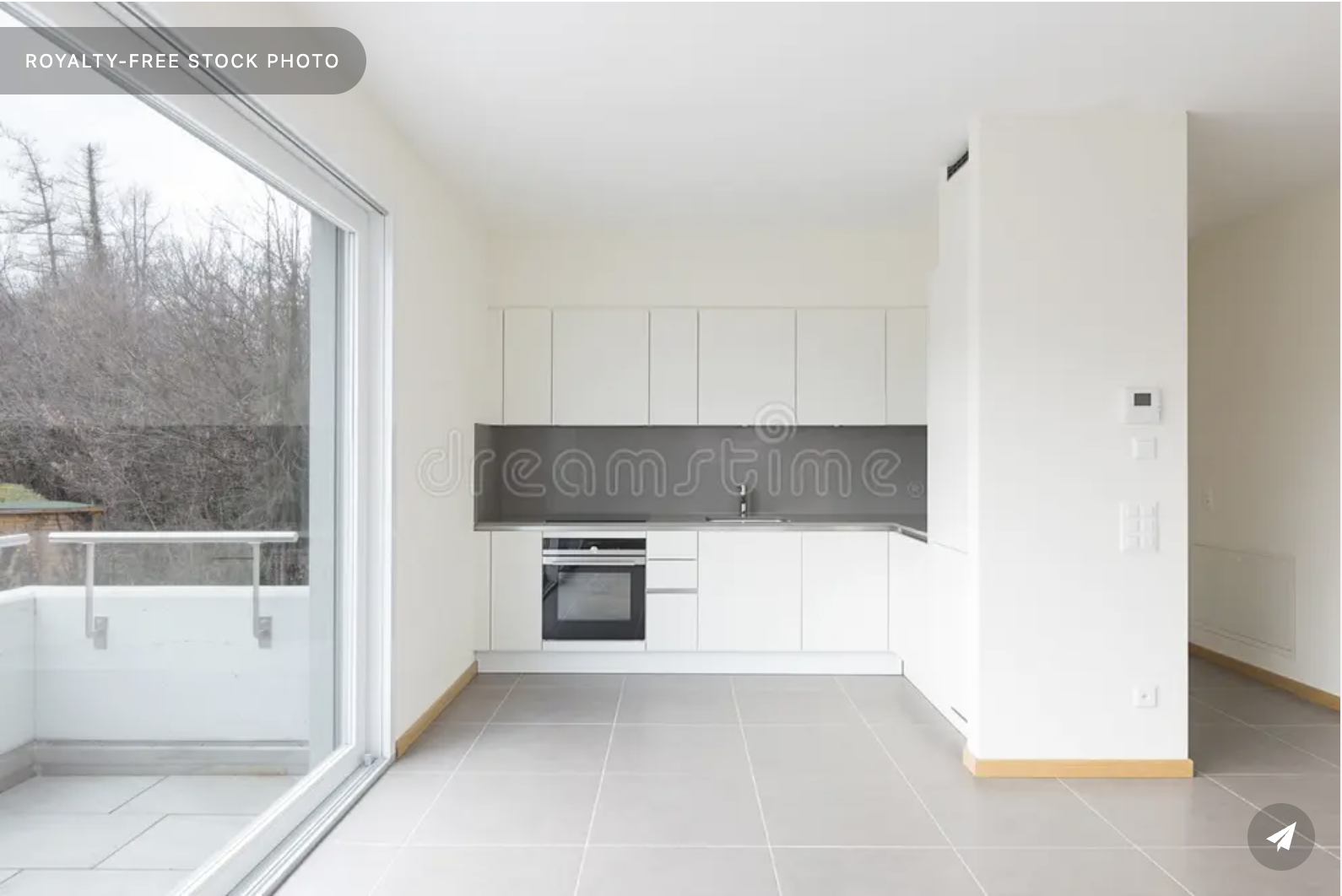
2. Space Understanding
When a space image or floor plan is provided, AI tools evaluate room dimensions, layout constraints, and functional zones like prep, cooking, and storage areas.
3. Smart Product Matching
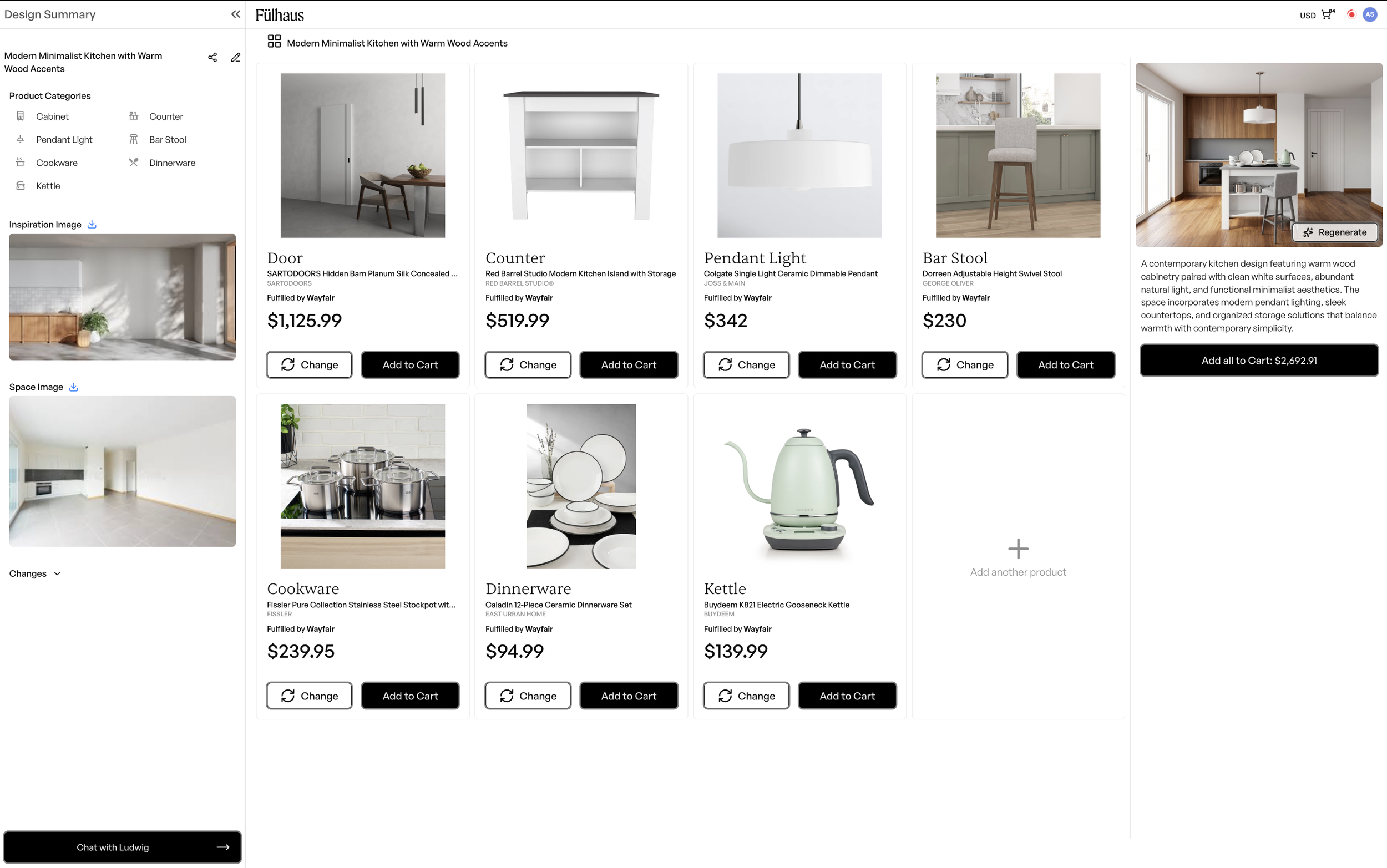
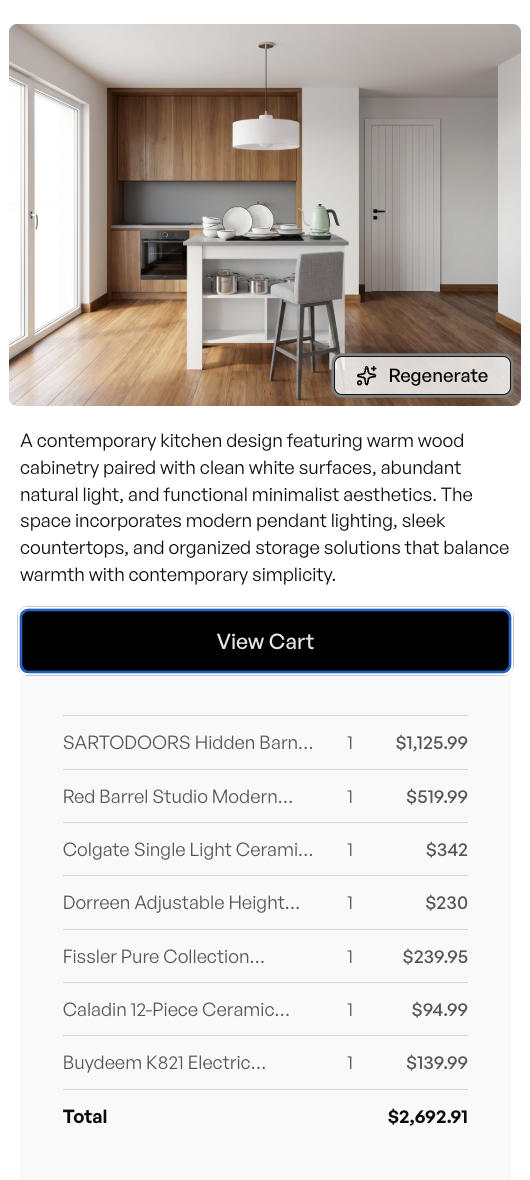
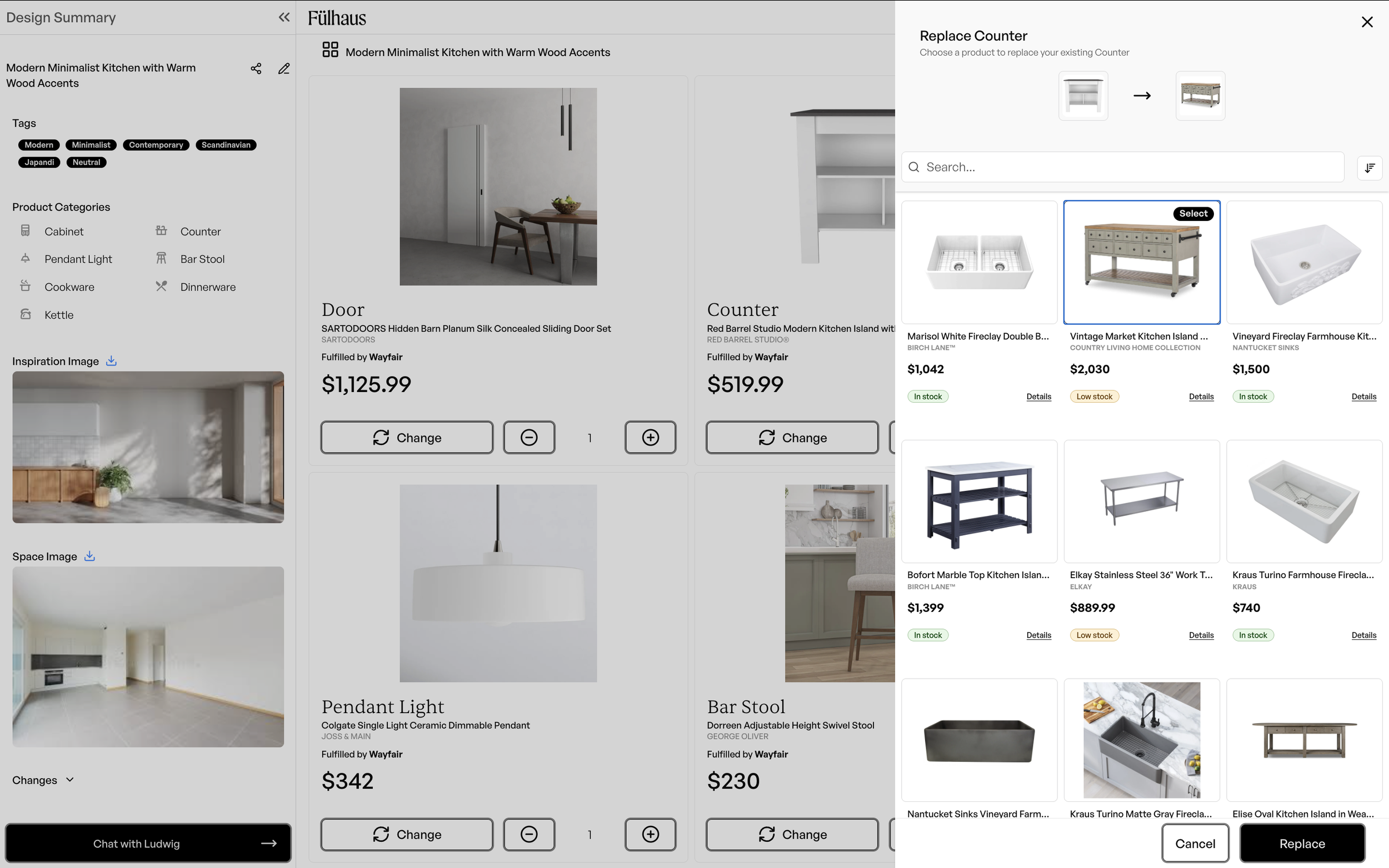
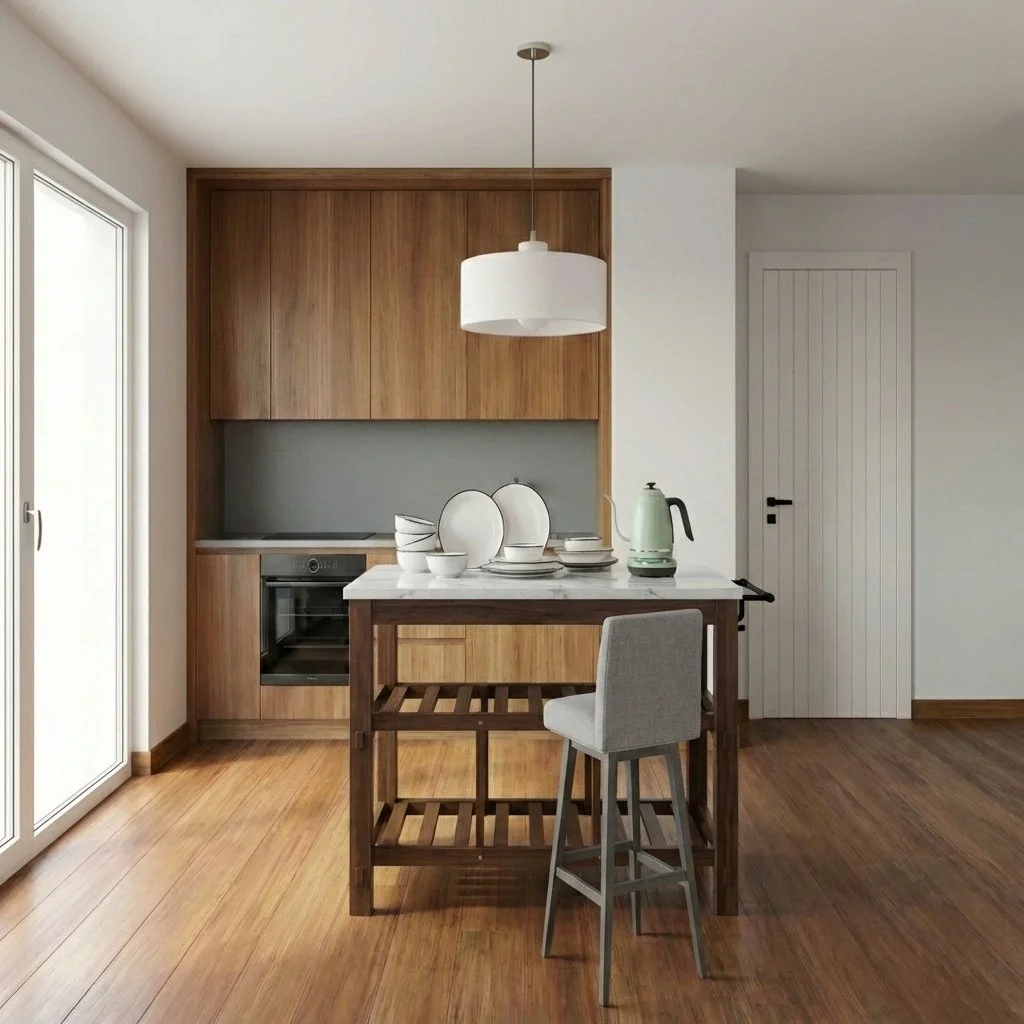
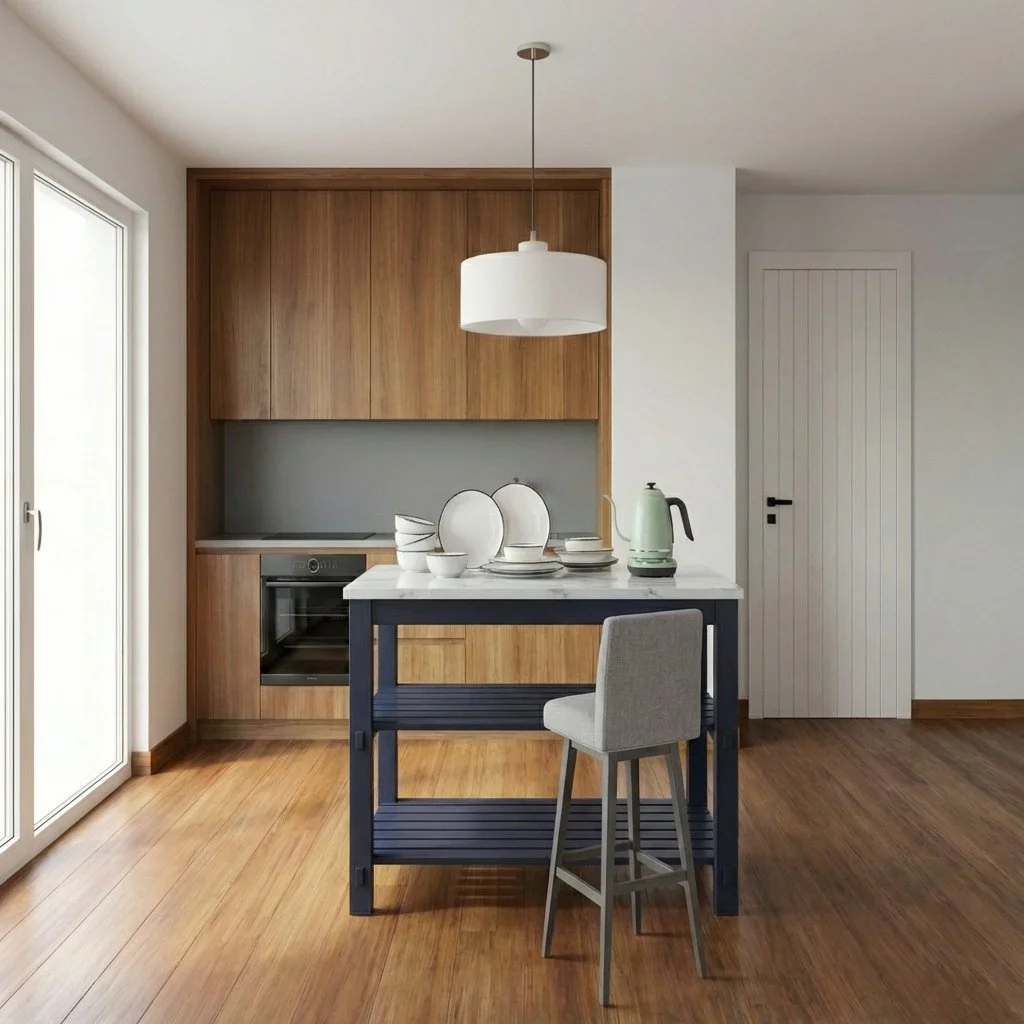
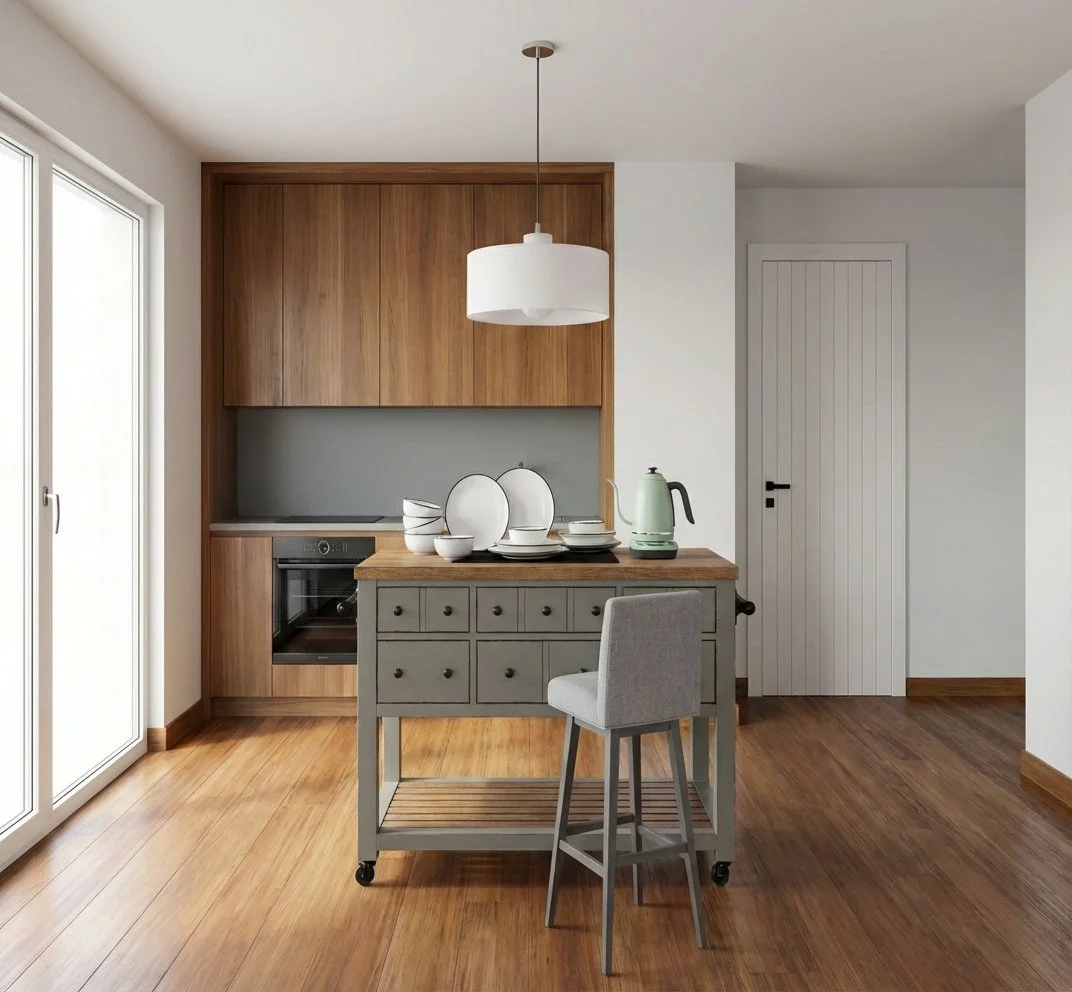
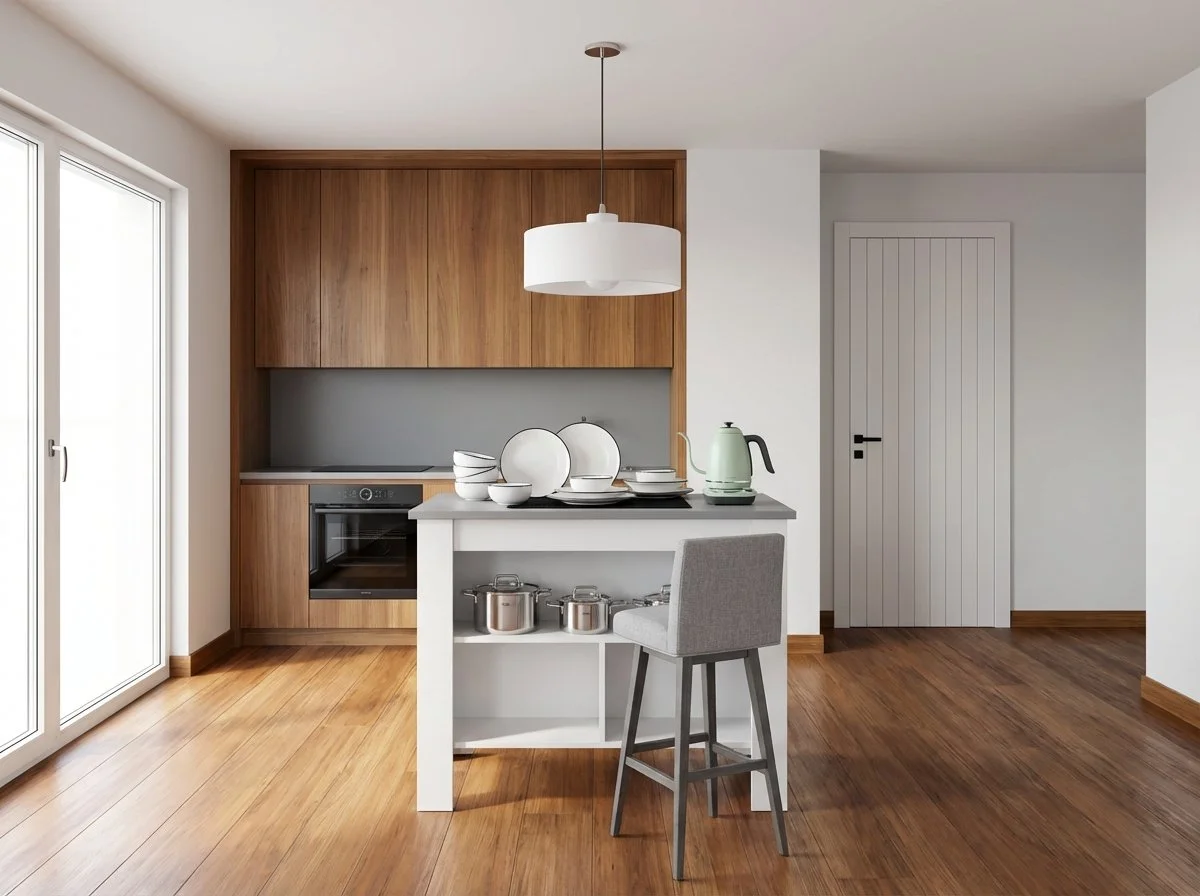
Ludwig matches the design intent with real, purchasable products. Cabinets, counters, lighting, stools, appliances, and accessories are selected based on availability, proportions, and visual compatibility.
4. Visualization and Iteration
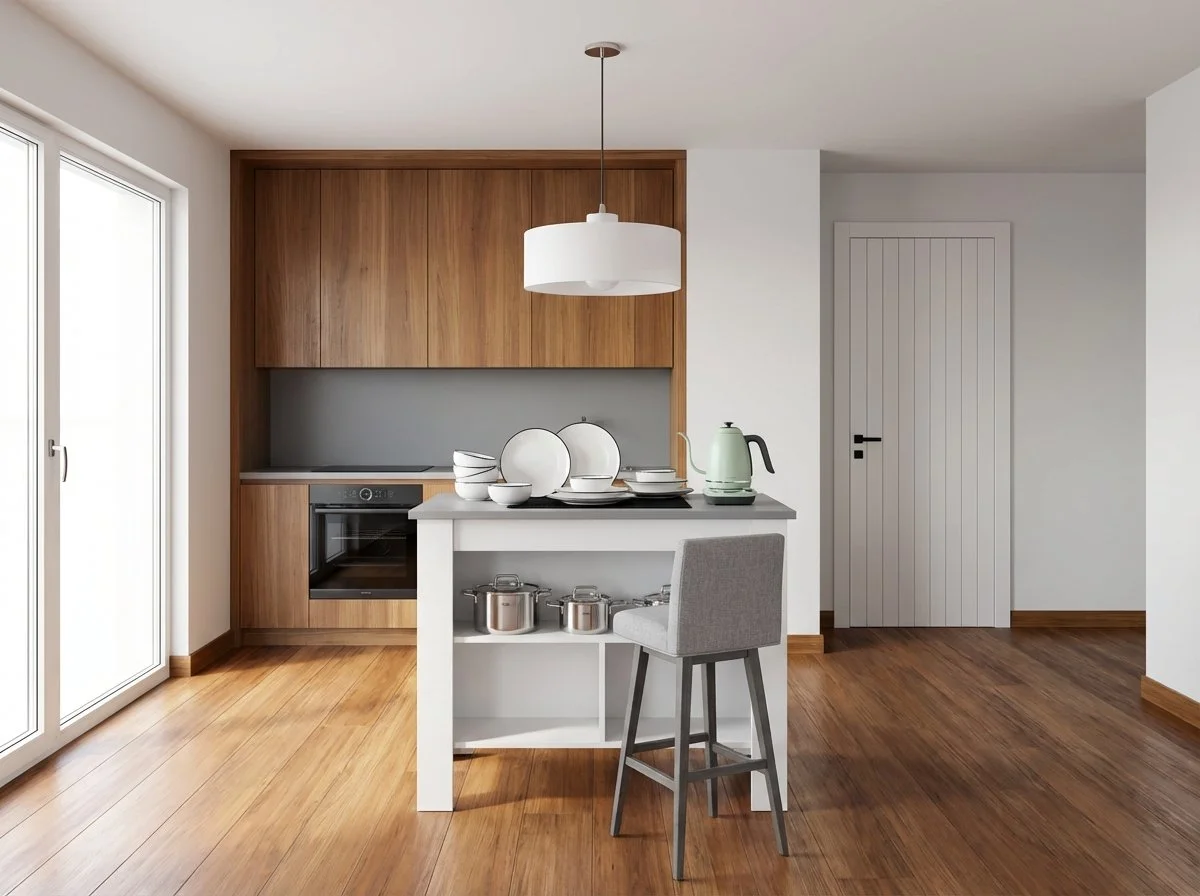
Users can regenerate designs, swap individual products, or adjust style parameters instantly. AI makes iteration fast, not painful.
5. Shoppable Output
Unlike traditional design software, AI kitchen design platforms often generate direct checkout-ready product lists, turning design into commerce.
Why AI Kitchen Design Is Better Than Traditional Kitchen Planning
Speed
What once took weeks can now be done in under an hour. AI eliminates repetitive sourcing and manual revisions.
Ai Kitchen Design with ludwig by Fulhaus
Personalization
AI kitchen design adapts to individual taste, budget, and space, rather than forcing users into rigid templates.
Accessibility
You no longer need to be a trained designer to create a beautiful, functional kitchen. AI democratizes design.
Reduced Cost
By minimizing designer hours and errors, AI kitchen design lowers overall planning and procurement costs.
Data-Driven Decisions
AI tools rely on real product data, pricing, and availability, reducing surprises late in the project.
AI Kitchen Design for Homeowners
For homeowners, AI kitchen design removes intimidation from the renovation process. You can:
Explore multiple kitchen styles instantly
Visualize your kitchen before committing
Stay within budget with real-time pricing
Purchase everything from one place
This is especially powerful for first-time renovators who struggle to translate inspiration into action.
AI Kitchen Design for Designers and Builders
Professionals benefit just as much, if not more.
Designers use AI kitchen design tools to:
Speed up concept development
Source products faster
Handle more projects simultaneously
Builders and developers use AI to:
Standardize model kitchens
Create customizable buyer experiences
Reduce decision friction during sales
AI doesn’t replace designers. It amplifies them.
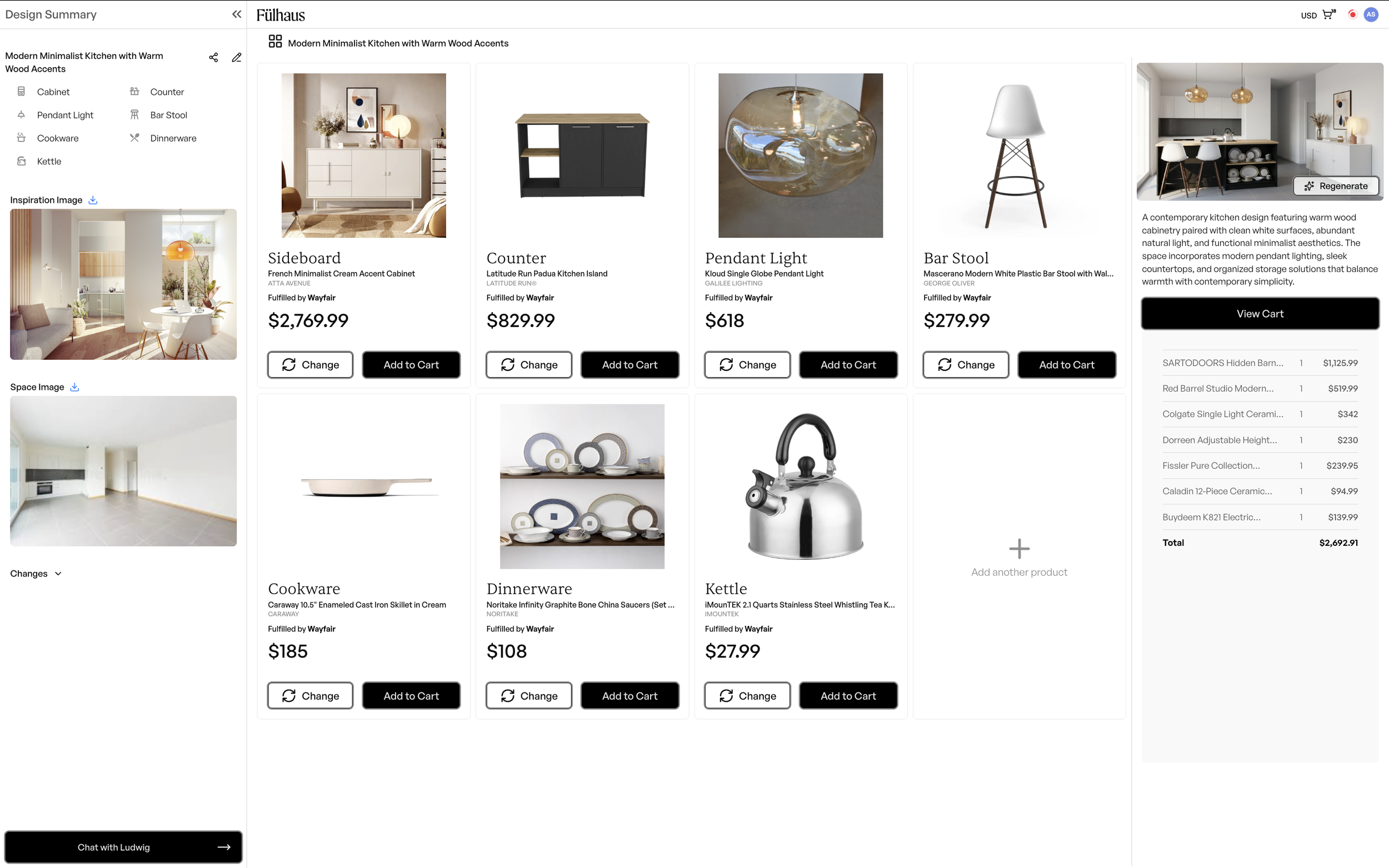
Replace your inspiration image, and get a new Ai Kitchen Design for your kitchen.
The Role of AI in Sustainable Kitchen Design
AI kitchen design can also support sustainability goals by:
Recommending durable, long-lasting materials
Reducing over-ordering and waste
Matching designs to locally available products
Optimizing layouts for energy efficiency and lighting
As AI systems improve, sustainability will become a built-in feature, not an afterthought.
Is AI Kitchen Design the Future?
All signs point to yes.
Consumers expect speed, personalization, and visual clarity. Retailers want higher conversion rates. Designers want better tools. AI kitchen design sits at the intersection of all three.
The future of kitchens is not just beautifully designed. It is intelligently designed.
Final Thoughts
AI kitchen design is more than a trend. It represents a fundamental shift in how kitchens are imagined, planned, and brought to life. By connecting inspiration, space, and real products through artificial intelligence, kitchen design becomes faster, smarter, and more human-centered.
If you are planning a renovation, designing professionally, or building at scale, AI kitchen design is no longer optional. It is the new standard.
